
Bio
I am a Postdoctoral Researcher in the Multimedia Computing Group at TU Delft, where I work with Dr. Megha Khosla on trustworthy and privacy-preserving graph learning. Before that, I spent two years as a postdoc in TU Delft’s Cybersecurity Group.
My research starts from a simple question: what do AI models really take away from their data, and can we trust what they do with it? Much of my work looks at memorization and privacy, where I have shown how the geometry of the loss surface can estimate which training samples a model memorizes, and how the flatter minima found by sharpness-aware training come with sharper privacy risks. I am now carrying these ideas over to graph learning.
The same question shapes the rest of my work. I stress-test neuro-symbolic AI, which pairs learning with logic, against attacks such as backdoors, and I look for ways to keep learning efficient when it is spread across many devices, as in federated and serverless learning. Cybersecurity is where these threads meet practice: from intrusion detection grounded in attack graphs to whether security experts can trust LLMs to write detection rules.
I obtained my Ph.D. from the University of Bologna in 2024. Along the way, I was a visiting researcher at Purdue University, hosted by Dr. Rajiv Khanna, and in the Interactive Intelligence Group at TU Delft, hosted by Prof. Catholijn Jonker. My work has been published at ICLR, KDD, IEEE EuroS&P and UAI, and in journals including ACM CSUR, Elsevier FGCS, Elsevier KBS, IEEE TNSM and Springer JAAMAS.
Recent News
-
Our paper Beyond the Syntax: Do Security Experts Trust LLMs for NIDS Rule Engineering? was selected as one of 8 spotlight papers at AISec 2026, co-located with ACM CCS 2026. A reality check on LLM-written intrusion detection rules: they look right but are often too broad, so the experts in our user study see LLMs as drafting and checking aids rather than autonomous rule writers.
📸 Bits from AISec 2026
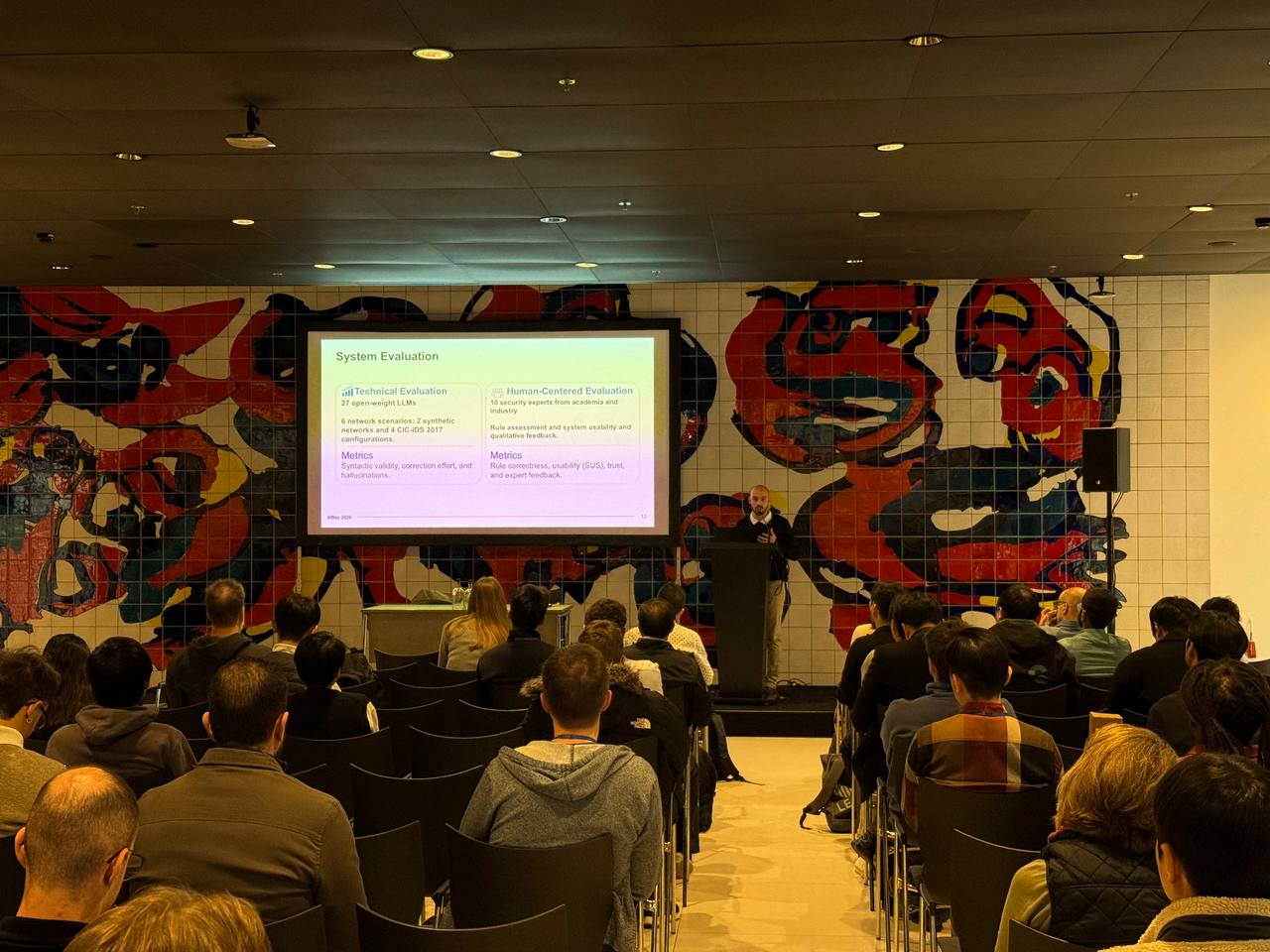
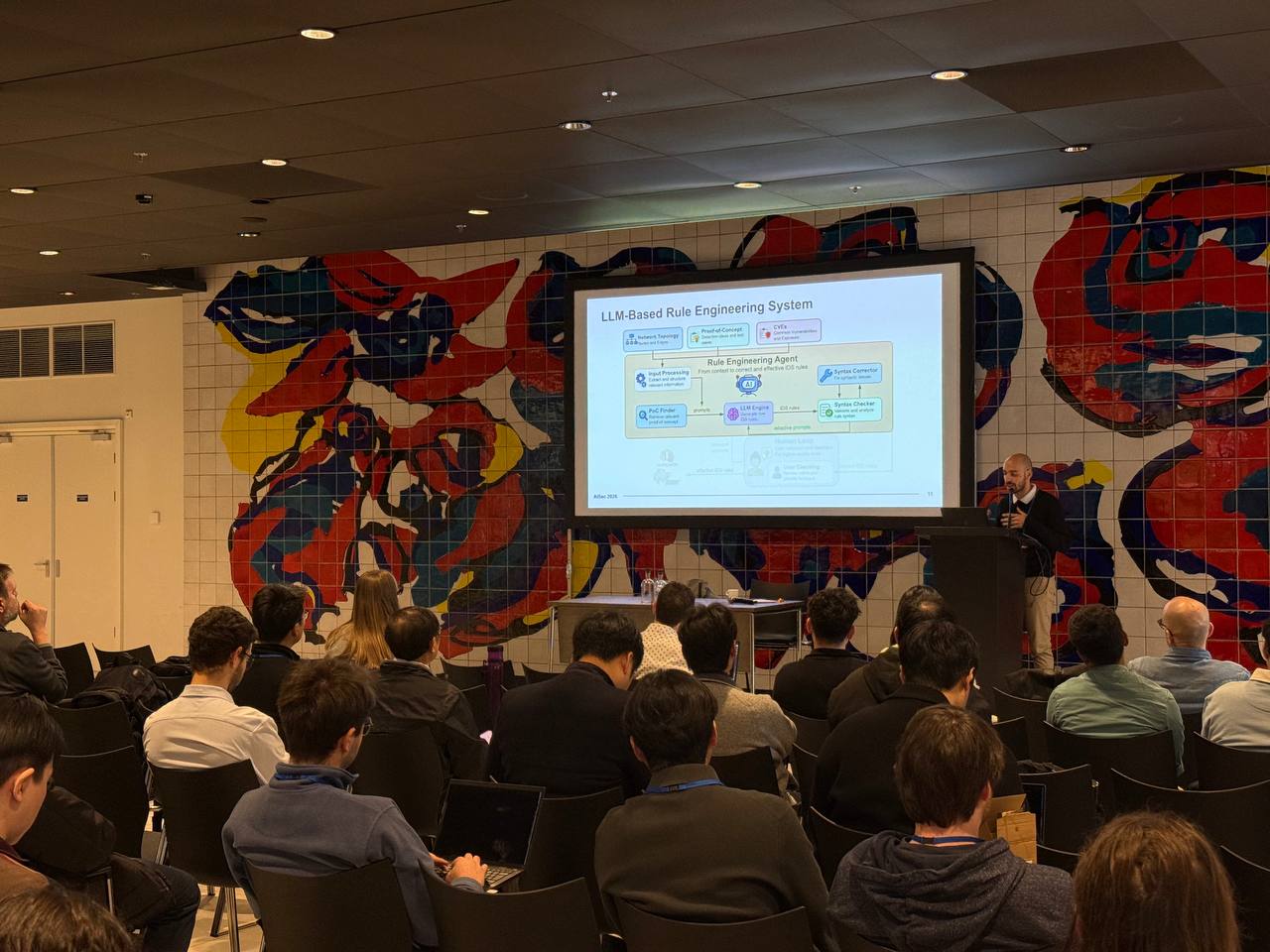
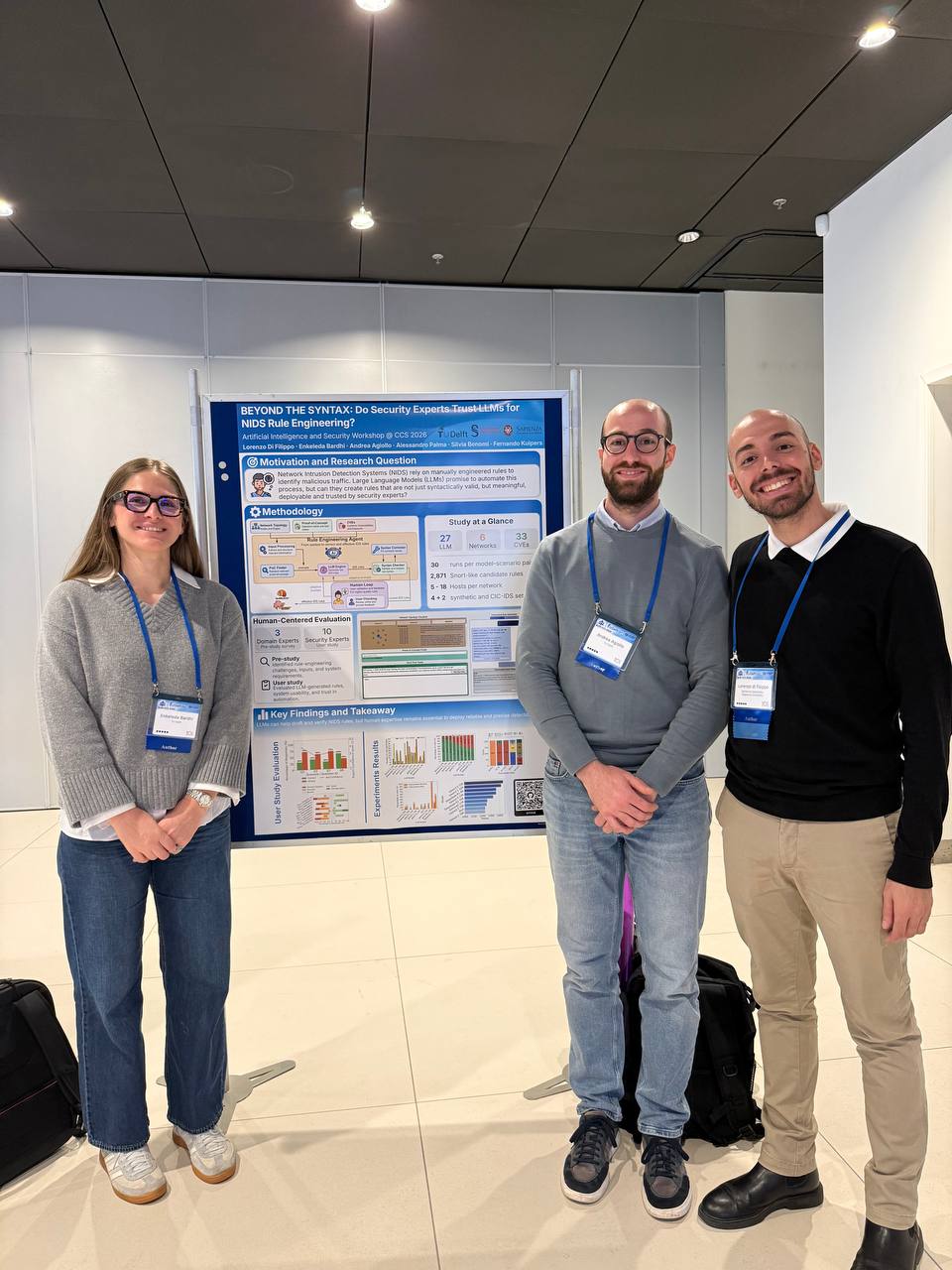
(Leftmost and middle) Spotlight talk, (Rightmost) At the poster with co-authors.
-
Took part in the TU Delft Generative AI Workgroup, helping to shape the university-wide stance and agenda on generative AI in research. The workgroup brings together researchers from across TU Delft’s faculties to unify and amplify the university’s efforts in generative AI.
-
Honored and proud to have been invited to the “Advancing Testability and Verifiability of CPS with Neurosymbolic and Large Language Models” Dagstuhl Seminar, held on 11–16 October at Schloss Dagstuhl. This seminar brought together experts in formal methods, AI, robotics and software engineering to explore how neuro-symbolic AI and LLMs can help test and verify the learning-enabled cyber-physical systems used in transportation, healthcare and robotics.
📸 Bits from Dagstuhl 2026
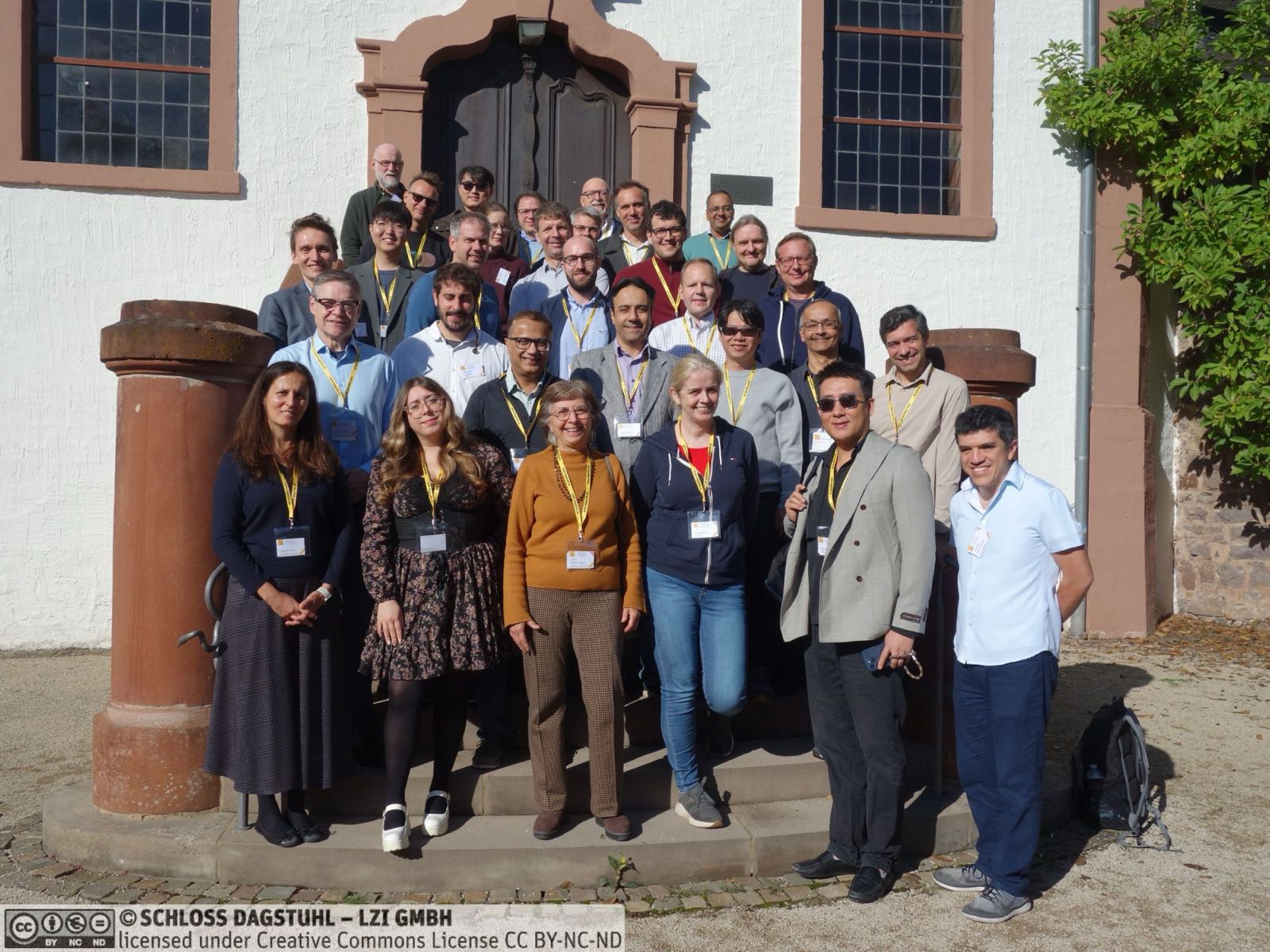
Seminar participants at Schloss Dagstuhl. Photo © Schloss Dagstuhl – LZI GmbH, CC BY-NC-ND.
-
Joined the Multimedia Computing Group at TU Delft, where I work with Dr. Megha Khosla on trustworthy and privacy-preserving graph learning.
-
Gave a talk on “The Geometry of Memorization: When Better Generalization Increases Privacy Risk” at the 3rd ACCSS Security & AI Workshop in Apeldoorn (NL).
-
Represented the TU Delft Postdoc Network at the first National Postdoc Day, organized by PostdocNL in Utrecht, which brought together postdocs from universities across the Netherlands.
📸 Bits from National Postdoc Day 2026
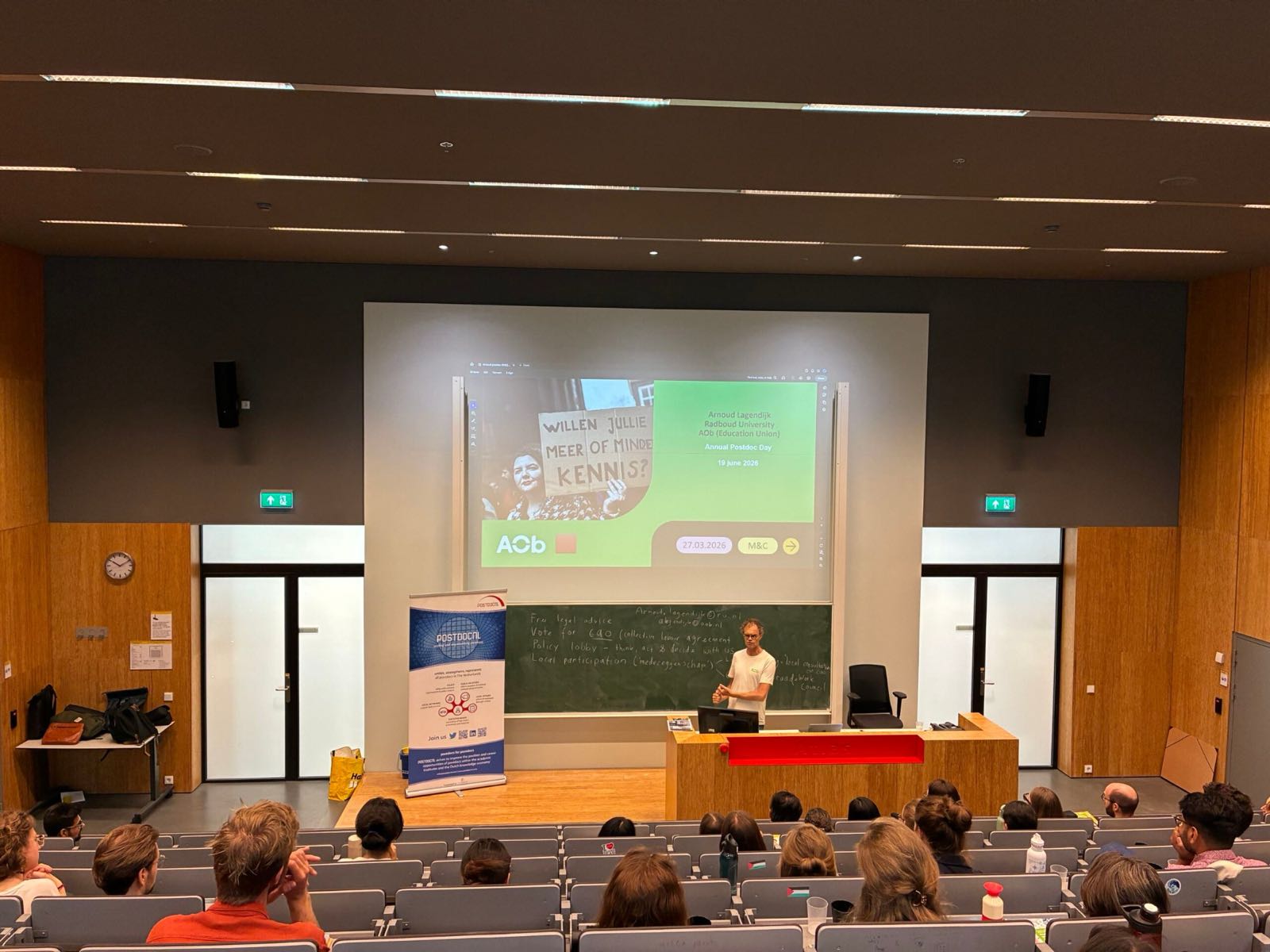
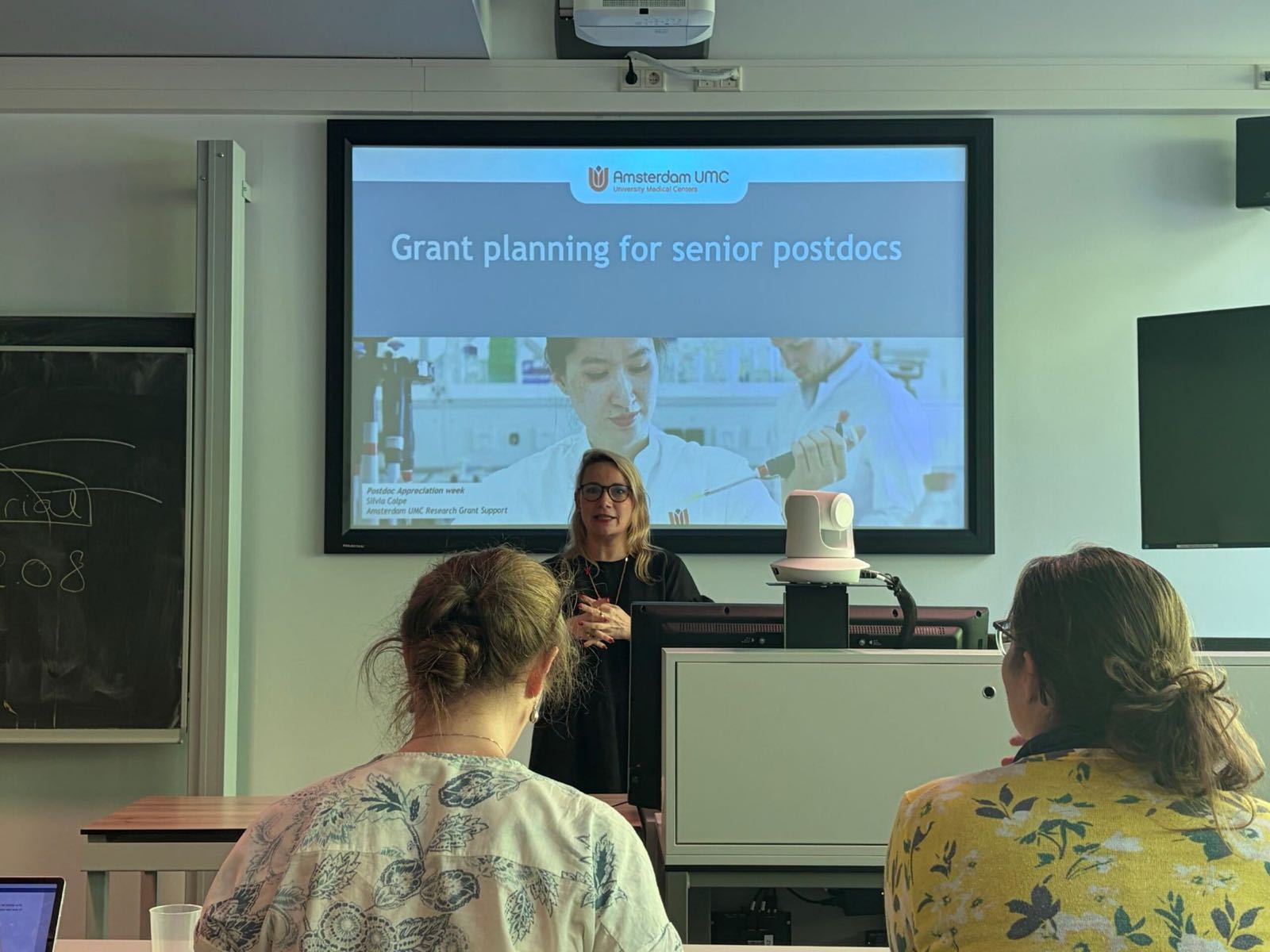
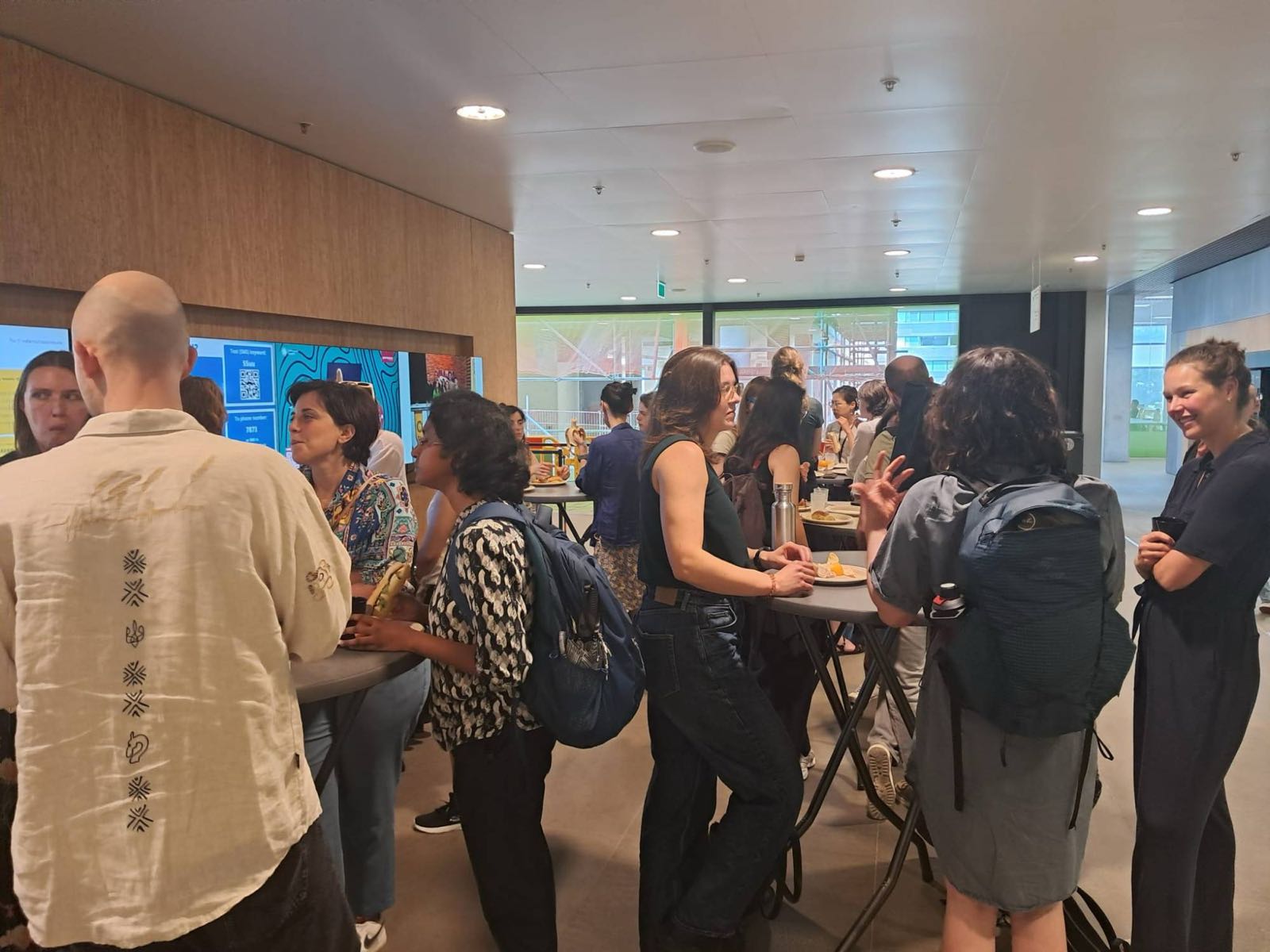
(Leftmost) Plenary talk, (Middle) Grant planning for senior postdocs, (Rightmost) Networking.
-
🏆 Proud to be named a Gold Reviewer at ICML 2026!
-
Attending ICLR 2026 in Rio de Janeiro (Brazil 🇧🇷) and presenting our paper “Membership Privacy Risks of Sharpness Aware Minimization”. The paper is a cautionary tale on flatter minima and sharper privacy risks, showing how SAM’s improved generalization comes at the cost of higher vulnerability to membership inference attacks.
📸 Bits from ICLR 2026
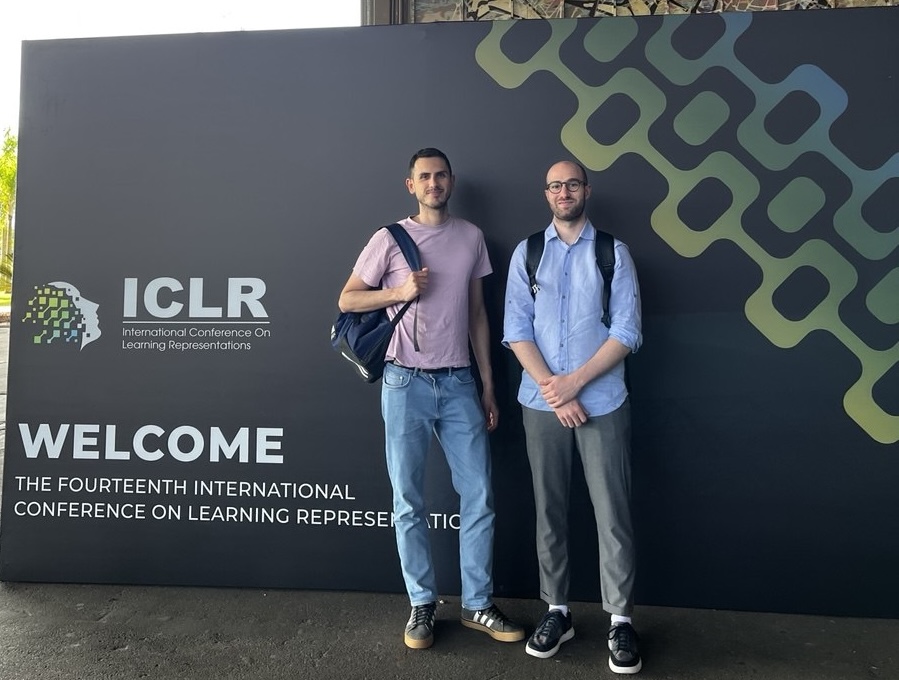
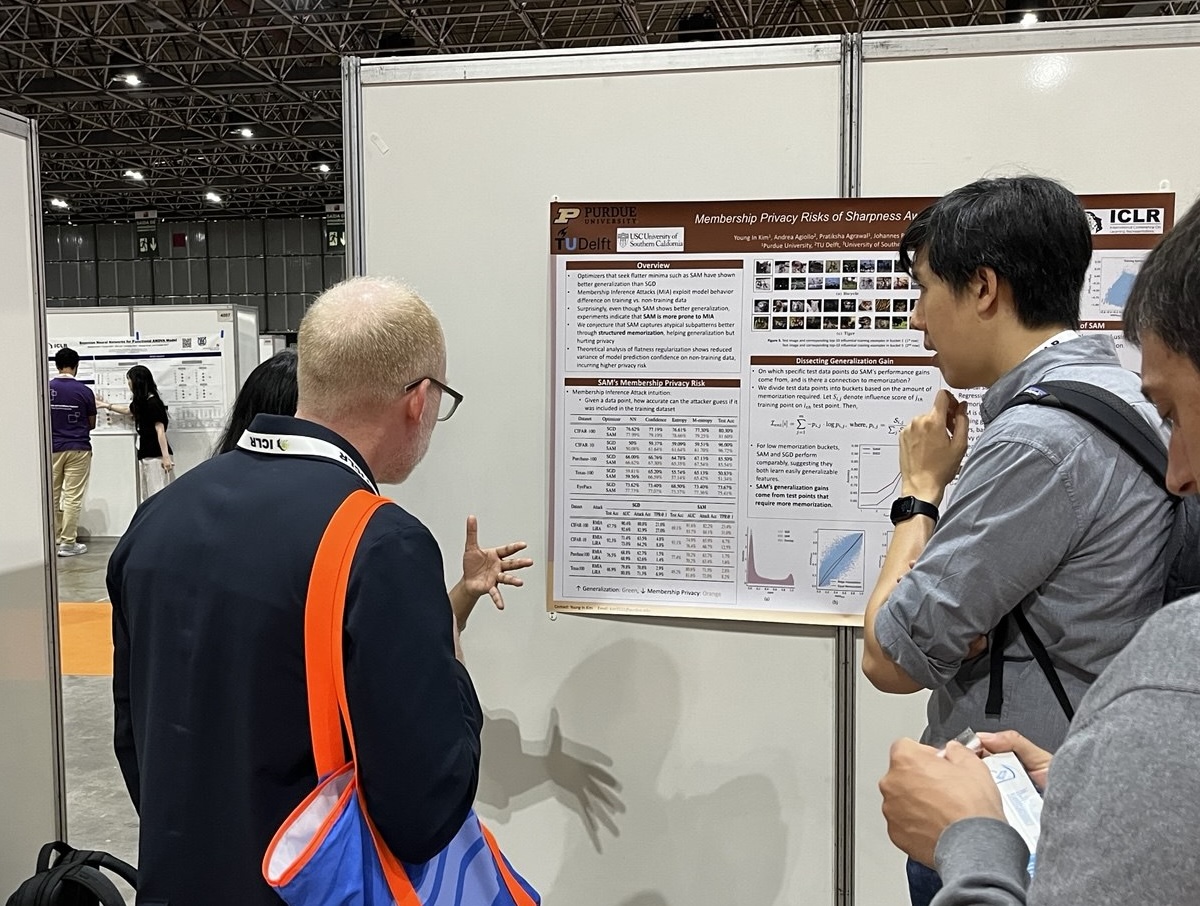
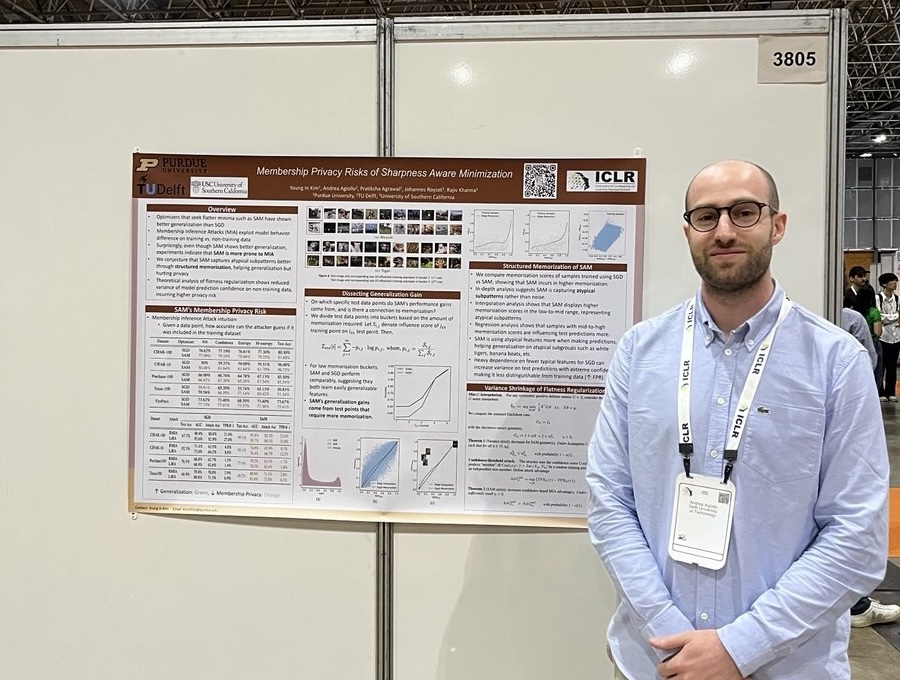
(Leftmost) TU Delft @ ICLR, (Middle) Paper Discussion, (Rightmost) Our Paper Poster.
-
Joined the TU Delft Postdoc Network Committee.
-
HotDiSec 2026 has been officially accepted as a co-located workshop at ESORICS 2026, taking place this September!
-
Hosted our ANSyA 2025 workshop in Bologna (IT). The workshop was a great success, recording 80+ participants, two sessions of poster discussions and an outstanding keynote.
-
Became a reviewer for the Transactions on Machine Learning Research (TMLR) journal.
-
Hosted our HotDiML 2025 workshop in Glasgow (UK). It was a buzzing experience, with fruitful discussions and an engaging keynote from Prof. Giuseppe Antonio Di Luna from Sapienza University of Rome.
Scroll inside the box for older news ↓